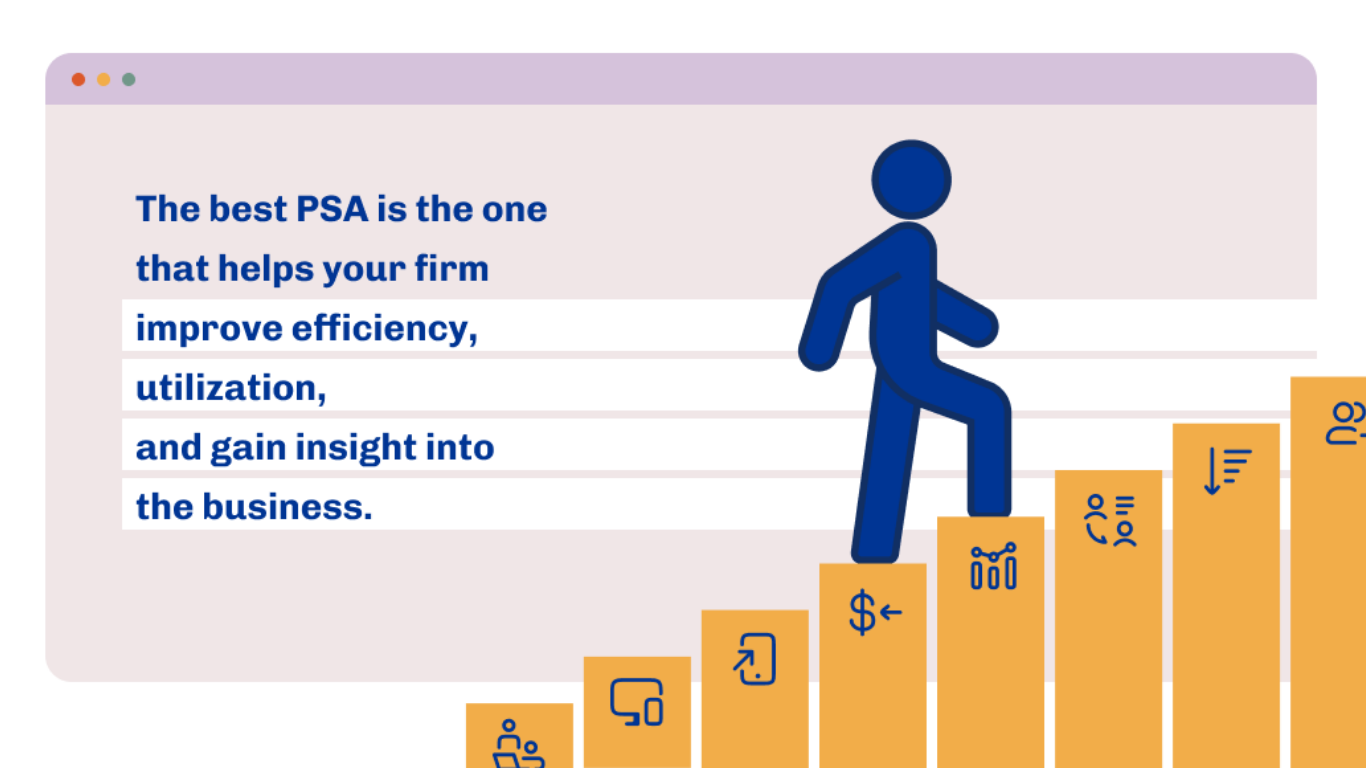
Professional Services Automation (PSA) software platforms are revolutionizing the way businesses approach efficiency and project delivery. Firms utilizing PSA report a significant increase in project margins and utilization rates, often leading to a 5-10% rise in overall profitability. By integrating critical business processes, these platforms serve as a central hub for accessing real-time data, improving decision-making and execution.
The value of PSA software is unmistakable, offering a comprehensive solution to streamline operations and enhance productivity. From automating time-consuming tasks to providing insightful analytics, these tools help businesses thrive in competitive markets. Below we explore the transformative effects of PSA on different aspects of business efficiency.
How PSA Software Enhances Operational Workflow

Utilizing psa software platform often results in a seamless operational workflow, as it automates time-intensive administrative tasks. By reducing the need for manual data entry and consolidation, teams can allocate more time to strategic work that fosters business growth. Businesses experience a reduction in operational bottlenecks and improved accuracy in their workflows.
Relevant to its impact, these platforms typically feature project tracking, billing, and reporting capabilities that help in maintaining a clear oversight of all business operations. The ability to monitor projects in real-time empowers managers to address issues promptly, mitigating risks that can derail schedules and budgets.
To harness the full potential of a PSA platform, businesses should customize its deployment based on specific workflow needs. This might include linking the PSA software with existing HR and CRM systems, ensuring an integrated ecosystem that communicates flawlessly across different business functions. psa software platform
Streamlining Project Management with PSA Tools
PSA tools bring project management to a new level of efficiency, facilitating better planning, execution, and monitoring. The intuitive dashboards allow project managers to quickly assess the status of projects and identify areas that require attention, thereby improving delivery times and client satisfaction.
One of the most critical aspects of using PSA tools is their capability to provide a unified view of resources and timelines. This feature aids in better forecasting and helps avoid overbooking or underutilizing staff, keeping projects on track and within budget. Moreover, robust reporting features allow for thorough analysis of project data, providing insights for continuous improvement.
For improved project management using PSA tools, it’s advisable to establish processes that incorporate regular review points. This approach ensures that the project scope and resources are continuously aligned with the client’s expectations and project deliverables, minimizing scope creep and ensuring efficient utilization of resources.
PSA Platforms and Their Impact on Resource Allocation
Effectively allocating resources is a keystone of successful business management, and PSA platforms excel in optimizing this process. By offering realtime visibility into employee availability and skills, PSA software ensures that the right personnel are assigned to appropriate projects, optimizing the workforce’s capabilities.
A critical benefit of PSA software in resource management is its advanced forecasting tools. These tools enable businesses to anticipate project demands, align resources with future needs, and make informed hiring decisions. As a result, organizations can swiftly adapt to workload fluctuations without compromising service quality or delivery timelines.
For effective resource allocation using PSA platforms, it’s essential to maintain updated records of each employee’s skills and experience. This database should inform the assignment process, ensuring that the most qualified individuals are tasked with relevant projects, consequently maximizing productivity and job satisfaction.
Analyzing the Role of PSA Software in Customer Satisfaction and Retention

The impact of PSA software extends beyond internal processes, playing a pivotal role in enhancing customer satisfaction and retention. With features like client portals and collaborative tools, clients are kept in the loop regarding project progress and outcomes, promoting transparency and trust.
Furthermore, the aggregation of client-related information within a PSA platform informs better client management. Access to a client’s history, preferences, and interactions allows businesses to provide customized service experiences and proactive solutions, which are instrumental in bolstering loyalty.
Businesses keen on improving customer relationships through PSA software should focus on the platform’s customer relationship management (CRM) functionalities. Integrating feedback mechanisms directly into the PSA ecosystem can capture clients’ sentiments and preferences, providing valuable data to refine service offerings and enhance customer engagement.
Ultimately, PSA software platforms present a robust solution for elevating business efficiency and delivering value to clients. Firms that adopt PSA benefit from streamlined workflows, efficient resource allocation, and improved project management, culminating in enhanced customer satisfaction and loyalty. By leveraging the power of PSA, businesses not only simplify complex processes but also create a foundation for sustained growth and competitive advantage.